












 お店で受け取る
(送料無料)

 配送する
配送する

納期目安:
2026.07.18 4:40頃のお届け予定です。
決済方法が、クレジット、代金引換の場合に限ります。その他の決済方法の場合はこちらをご確認ください。
※土・日・祝日の注文の場合や在庫状況によって、商品のお届けにお時間をいただく場合がございます。

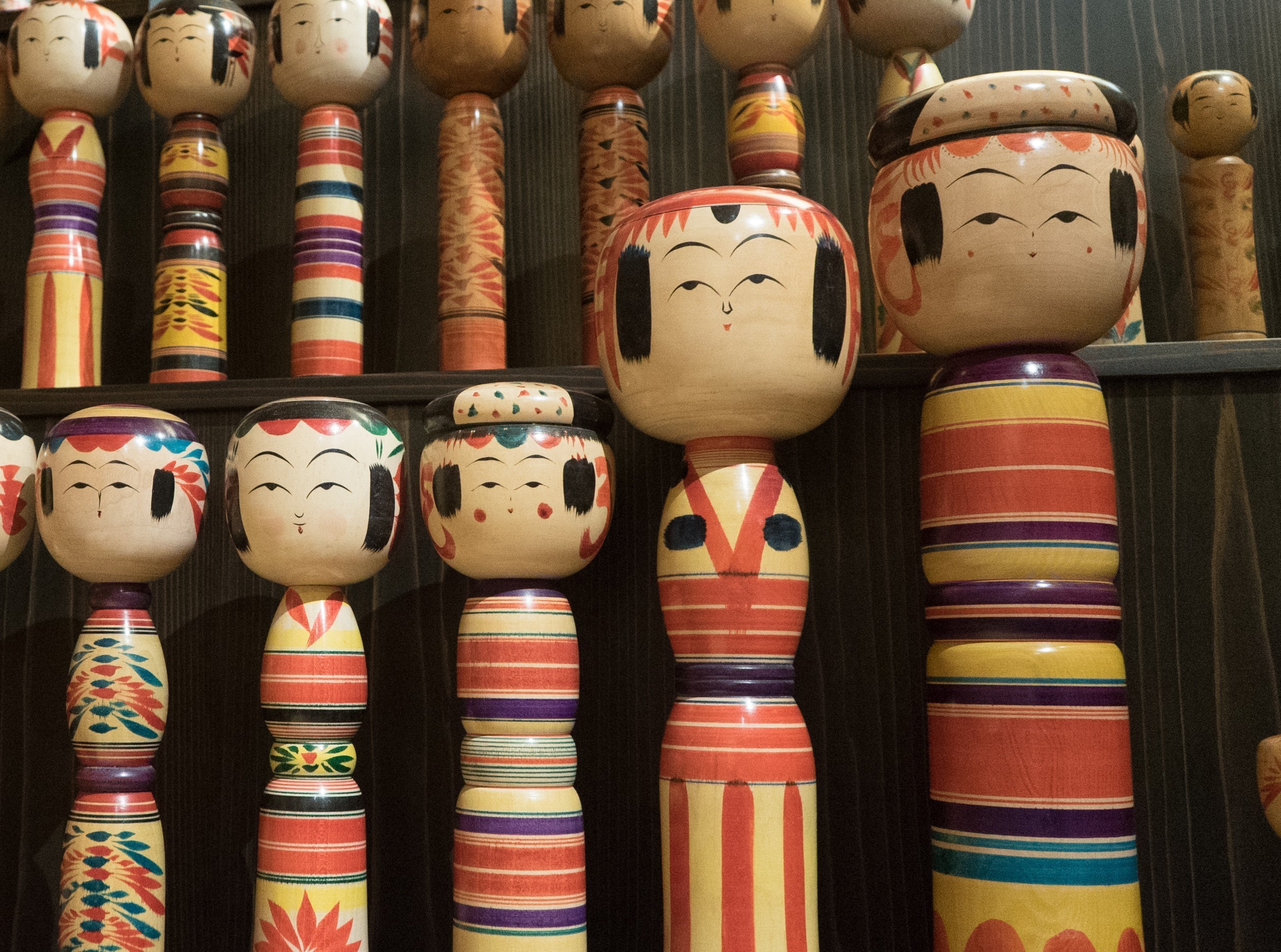
日本の伝統 こけし Kokeshi dolls 2セット 55cm 45cm KakizawaKoseshin's Hina Doll Kokeshi Dolls 🎎 Two sets haveの詳細情報
KakizawaKoseshin's Hina Doll Kokeshi Dolls 🎎 Two sets have。2セット 鳴子 こけし 高橋輝行 輝行こけし 工芸品 木工 kokeshi。Seiji Yoshino's Hina Kokeshi Doll. Her wide-open eyes are striking。伝統的な赤と黒のこけし人形2体セット。アンティーク品としてご了承ください。)They have been hand-crafted for over 150 years.(150年以上にわたり、手作りされてきました。) Origin: They originated in the Tohoku region (northern Japan) during the late Edo period.(江戸時代後期、日本の北部にある東北地方で生まれました。)Symbolism: They are considered lucky charms for children's healthy growth or symbols of fertility.(子供の健やかな成長を願う縁起物や、子宝の象徴とされています。Japanese Kokeshi Dolls: The Woodcraft and Culture of Japan's。古い物で経年劣化があります。棗 なつめ 茶入れ セット 3つ 茶道具 飛騨春慶塗 木箱 共箱。美品 茶道具 溜塗 短册箱 茶箱揃 十二点セット 茶道具一式 持ち運び 野点。Kokeshi dolls\" Traditional Japanese wooden dolls\" A Kokeshi is a traditional Japanese wooden doll with no arms or legs.(日本の伝統的な木製の人形です。木製 般若の面 約25cm。舞踊人形 藤娘 正絹。)These dolls consist of a simple cylindrical body and a round head.(円柱状の胴体と丸い頭で構成されています。未使用 茶道具 西尾健斎作 耳付 水指 陶印 水差し 共箱。茶道具 笹露蒔絵 金輪寺 茶器 田中修 共箱 山中塗 薄茶器 漆芸 稽古 茶会。)Purpose: Woodworkers originally made them as toys for children and souvenirs for people visiting hot spring resorts.(木工職人が子供向けの玩具や、温泉地を訪れる人々へのお土産として作りました。㉖ 中国? 陶器の亀の置物12個セット。ベネチア ガラス murano ムラーノ ムラノ ヴェネチアグラス タイガー 虎。)Design: Traditional kokeshi are often painted with floral patterns like chrysanthemums or cherry blossoms.東北地方の11(または12)の系統ごとに形や模様が異なる」 (There are 11-12 distinct styles depending on the specific area in Tohoku)


ベストセラーランキングです


この商品を見た人はこんな商品も見ています
-
 マイストア在庫: 2025税込13920円
 -
 マイストア在庫: 3391税込22000円
 -
 マイストア在庫: 2315税込20900円
 -
 マイストア在庫: 1680税込10150円
 -
 マイストア在庫: 3000税込6000円
近くの売り場の商品


カスタマーレビュー
オススメ度 4.8点
現在、3728件のレビューが投稿されています。